
Keyword Mapping
Each page assigned one target keyword so pages support each other instead of competing.
On-page SEO is everything on your pages that tells Google what they are about and why they deserve to rank. We optimize titles, headings, copy, images, internal links and schema around one target keyword per page, then expand thin pages into resources that win.
Most websites we audit have the same problem. Pages try to rank for everything at once, so they rank for nothing in particular. Titles are vague, headings are decorative, copy is thin and pages never link to each other. Google cannot tell which page should rank for which search, so it picks a competitor whose pages are clearer.
On-page SEO fixes that by giving every page one clear job. We map each important page to a single target keyword based on real search volume and difficulty. Then we rewrite the meta title and description around it, put the keyword in the H1, organize subheadings logically and expand the copy until the page truly answers the search better than anything else that ranks.
We also connect your pages. Internal links tell search engines which pages matter most and help visitors move from general information to the page that converts. Every content section on a Neon Manatee optimized page links somewhere useful, so visitors and search engines always have a clear next step.
The way pages get read is shifting. A searcher used to land on your page and scroll. Now Google AI Overviews, ChatGPT and Perplexity often read the page first and lift a sentence or two into their own response, sometimes with a link back and sometimes without. Pages that bury the answer under several paragraphs of setup rarely get quoted. Pages that state the answer plainly under a clear heading, then support it with detail, give those systems something usable. So our on-page work leads with the answer: a direct response to the question in each heading, followed by the depth that convinces a careful reader in Coral Gables or Weston to pick up the phone.
The same checklist we use on our own pages, applied to every page we optimize for you. Nothing is skipped, and every change is logged so you can see exactly what we improved.
Each page assigned one target keyword so pages support each other instead of competing.
The exact focus keyword worked naturally into a unique meta title and description for every page.
A keyword-led H1 and logical H2 and H3 structure that helps readers and search engines scan.
Thin pages rebuilt into in-depth resources that answer real customer questions.
Every section links to a relevant next step, building a clear map of your site.
Structured data, descriptive alt text and compressed images on every optimized page.
For Miami businesses, on-page SEO is also where local relevance is built. We work your city and neighborhood keywords naturally into titles, headings and copy, add local details customers recognize and connect service pages to your location pages, so Google understands both what you do and where you do it.
We pay close attention to duplicate content, which is common on location pages. If your Doral page and your Kendall page share the same paragraphs with the city name swapped, Google may ignore both. We rewrite each page with unique introductions, local details and meta descriptions so every page has a chance to rank on its own.
For bilingual businesses, we apply the same standard to your Spanish pages, with Spanish keywords, translated metas and properly connected language versions.
We start with the pages closest to revenue, then work outward until the whole site meets our standard.
We review every important page for keywords, structure, copy depth and links.
Each page is assigned a target keyword, and gaps are flagged for new pages.
Titles, metas, headings and copy are rewritten and expanded to our standard.
Rankings are tracked per page and we refine pages that are close to page one.
Shortcuts like stuffing keywords, spinning copy or creating near-identical pages might move rankings briefly, but they rarely last and can hurt your site. We write for people first, with the keyword placed naturally where it belongs. That approach holds up through algorithm updates and also makes your pages more likely to be quoted by AI tools.
Our site agent supports on-page work too. When it notices a page ranking on page two for a valuable keyword, it can suggest specific improvements, like a missing section or more detailed answers, so we can push that page onto page one.
And because every optimized page follows the same written standard, your site becomes consistent: clear titles, strong headings, deep content and links that connect it all.
A fully optimized page starts in the search results. The meta title includes the exact target keyword near the beginning and gives a clear reason to click. The meta description, written uniquely for that page, repeats the keyword naturally and summarizes what the visitor will find. Together they decide whether a searcher chooses your result over the one above it.
On the page, the H1 matches the search and includes the keyword. The opening paragraphs confirm the visitor is in the right place and preview what follows. Subheadings break the content into logical sections that answer related questions, from cost and timing to process and benefits, so visitors and search engines can scan for what they need.
Throughout the page, every section offers a next step. A paragraph about pricing links to a pricing page or a quote form. A section about a related service links to that service page. These internal links spread authority through your site and keep visitors moving toward a decision instead of hitting the back button.
Finally, the details. Images have descriptive file names and alt text, are compressed and sized correctly, and load quickly. Schema markup describes the service, the business and the FAQs. Accessibility basics, like color contrast and heading order, are in place. None of these details is dramatic on its own, but together they are what separate pages that rank from pages that almost do.
On-page SEO is the optimization of everything on your own pages, including titles, meta descriptions, headings, copy, images, internal links and schema, so search engines understand and rank them.
Technical SEO focuses on how your site works, like speed, crawling and indexing. On-page SEO focuses on the content and structure of individual pages. Both are needed for strong rankings.
Landing pages that rank for competitive searches usually answer questions thoroughly. Substantial copy gives you room to cover what customers want to know, which helps both rankings and conversions. We never add filler just to make a page longer.
We improve it. Strong existing copy is kept and expanded, and weak or outdated sections are rewritten. You approve all changes.
Optimized pages are often recrawled within days, and ranking changes typically appear within a few weeks to a few months depending on competition.
Yes. Blog posts follow the same standard, with a target keyword, strong structure and links to your service pages.
Yes. We optimize product pages, collection pages and blog content on Shopify as well as WordPress and other platforms.
We use AI tools to research and draft efficiently, and every page is shaped, edited and fact-checked by our team before it goes live.
AEO stands for answer engine optimization. It means writing and structuring pages so a specific question gets a specific, quotable answer, usually right below a heading that matches the question. Featured snippets, voice assistants, Google AI Overviews and chat tools like ChatGPT all favor content shaped this way. In practice it is careful on-page SEO with the answer moved to the front.
Each section opens by answering its heading in one or two plain sentences, such as how long a service takes or who it suits, then adds the detail, examples and local context behind that answer. Readers who skim get what they need, readers who want depth keep going, and AI tools have a clean sentence to quote.
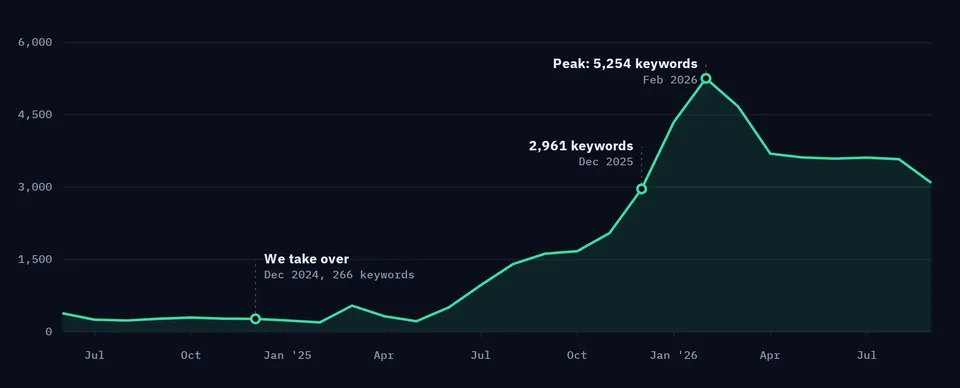
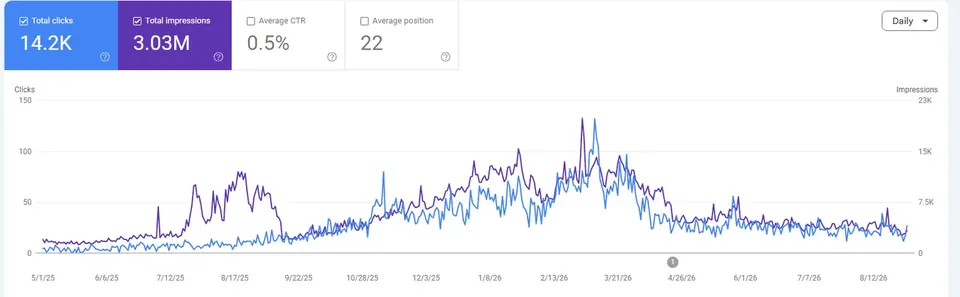
Neon Manatee is the sister brand of Best Website Builder Group. These are real projects our shared team delivered, with live tracking data behind every number.
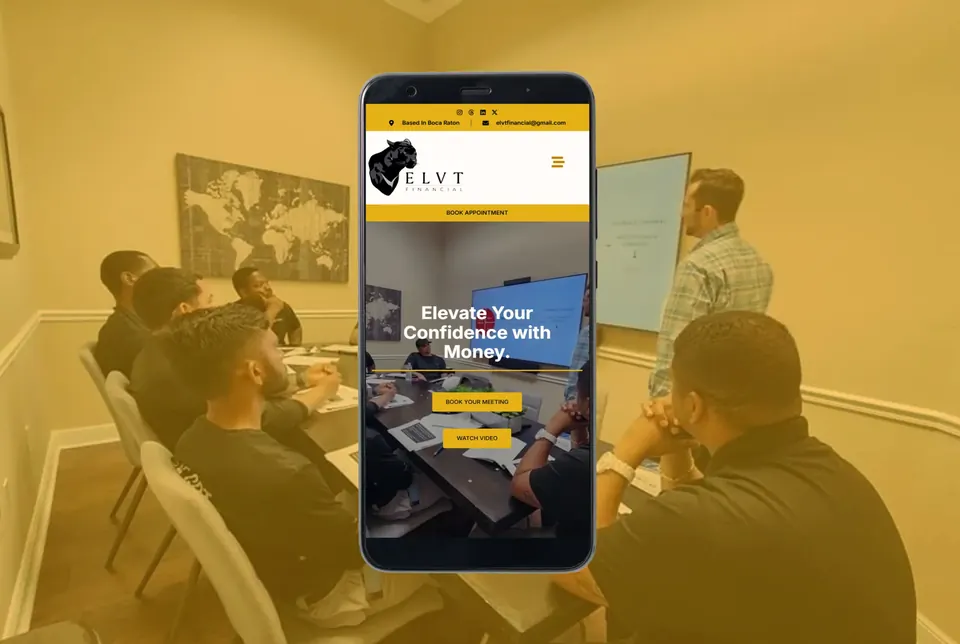 123x
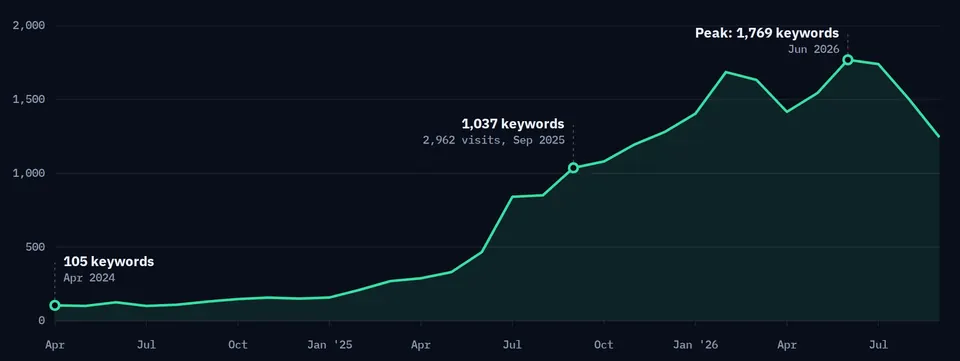 17x
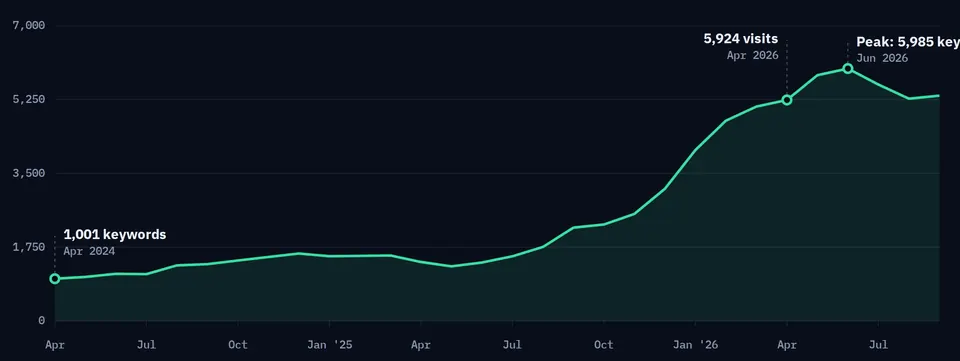 +34%
Fast Lane Websites are fixed-price builds that launch in 7 to 10 business days. Pick your size, add hosting, choose to pay in full or put down a deposit, and we start the same week.