Where Miami startups build, without the hype
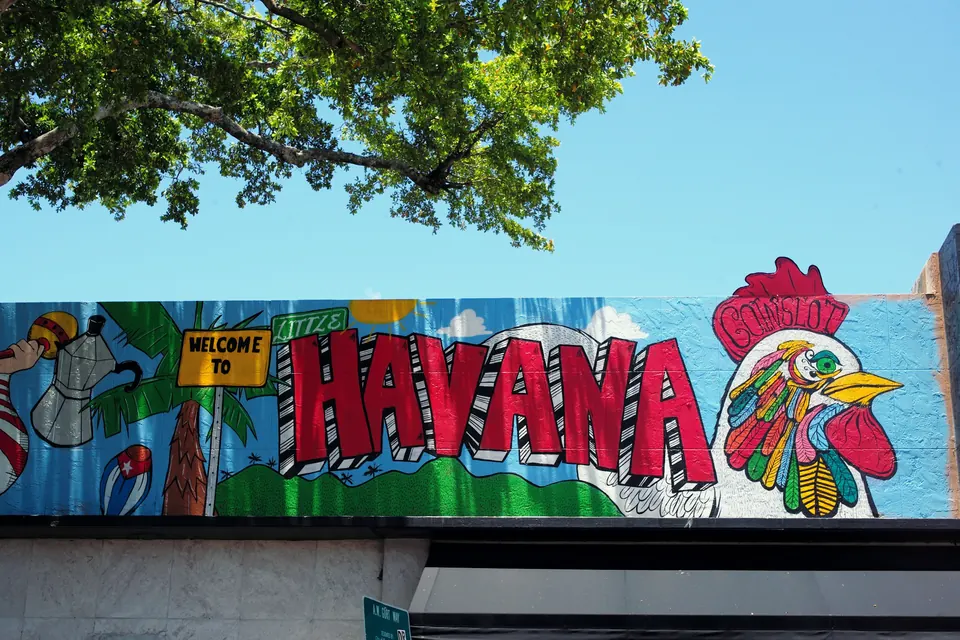
Miami's startup community is easier to find than it used to be. Founders work out of coworking spaces in Brickell, Wynwood and Downtown, meet at events, and recruit from local universities such as Florida International University, the University of Miami and Miami Dade College. eMerge Americas, a technology conference and expo focused on areas like AI, health and finance, holds its annual event in Miami, with 2027 dates listed as March 2 to 4 on its site. Community groups and local tech media such as Refresh Miami keep calendars full of meetups and demo days.
We are going to stay away from funding totals and rankings here, because those figures move quickly and are often quoted without sources. What we can say from the builder's side is what most Miami startups have in common. They tend to serve customers across the United States and Latin America, many need English and Spanish from day one, and a large share are founded by people with deep industry knowledge in areas like real estate, logistics, hospitality, health and finance, rather than by career engineers.
That last point shapes everything that follows. If you know your market but not software, the decisions you make in the first ninety days about scope, technology and partners matter more than any event you attend.

Scope an MVP that tests one idea
A minimum viable product is the smallest thing that lets real users prove or disprove your core assumption. Most first time founders build too much. They add accounts, payments, admin dashboards, notifications and settings before anyone has confirmed the central idea works. Every extra feature adds cost, delay and code that may get thrown away.
A good scoping exercise starts with one sentence: who is the user, what job do they need done, and how will you know the product did it? A Doral logistics founder might test whether small importers will upload shipping documents to get faster customs paperwork. A Coral Gables health founder might test whether patients will complete an intake flow on their phones before a visit. Everything that does not serve that test can wait.
Write down the three to five screens a user must pass through, the data the product must store, and the one metric you will watch. Then cut anything that is not on that list. You will still need login, security and basic analytics, but you probably do not need a full admin panel or a referral program in version one. A tight MVP costs less, ships sooner and gives you real usage data to show investors.

Web app, native app or both
The question founders ask most is whether to build an iPhone app, an Android app or a web app first. The honest answer depends on how and where your users will use the product.
A web app runs in the browser on any device, ships updates instantly and needs no app store approval. It is usually the right first build for business software, marketplaces, dashboards and anything people use at a desk. Our SaaS work for a global aviation software marketplace, for example, centered on a web platform that syncs 485 profiles daily and saw active users rise 81.8 percent.
A native app makes sense when the product depends on the phone itself: the camera, location, push notifications, offline use or a presence on the home screen. Consumer products, field service tools and anything used on the go tend to belong here. Building for both iOS and Android doubles some of the work, so many startups launch on the platform their early users carry most and add the second later.
There is no shame in starting with a responsive web app and moving to native once usage proves the need. It is often the cheaper path to the same destination.

When the AI built prototype hits its limits
Many Miami founders now arrive with a working prototype built in an AI coding tool. That is genuinely useful. A clickable prototype is a better way to explain an idea to investors and early customers than a slide deck, and it costs very little.
The trouble starts when a prototype becomes the product. AI generated code often works on the happy path and breaks on edge cases. Common problems include authentication that can be bypassed, database rules that expose other users' data, API keys stored in the browser, no handling for payment failures, and code structured in a way that makes every new feature harder to add. None of this shows up in a demo. It shows up when real users, real money and real data arrive.
Before you put a prototype in front of paying customers, have someone review it for security, data handling and structure. Sometimes the right call is to harden and keep it. Sometimes it is faster and safer to keep the design and rebuild the code properly. Either way, finding out before launch is far cheaper than finding out from a customer in Miami Beach whose account was exposed.

Your launch site matters as much as the app
Founders pour months into the product and leave the marketing website for the last weekend. That is backwards. The website is where investors check you out after a meeting, where early users decide whether to sign up, and where press and partners look for the basic facts. It is also how search engines and AI assistants learn what your company does.
A strong startup site explains the problem and the product in plain language, shows the product with real screenshots, makes the sign up or waitlist step obvious, and answers the questions a skeptical buyer would ask. If you serve Latin American markets from Miami, plan Spanish pages, and Portuguese if Brazil matters to you, as real pages rather than a translation toggle.
You do not need a huge site to start. A focused five page site at $997, or a single landing page at $497, goes live in 7 to 10 business days once content is in through our Fast Lane builds. As the company grows, the same site can expand into documentation, comparison pages and a blog that earns search traffic while the team focuses on the product.

How to choose a development partner
Most early stage startups do not have a full engineering team, so the choice of development partner is one of the biggest decisions a non technical founder makes. A few questions separate partners you can grow with from ones you will have to replace.
- Who owns the code? You should own it outright, in a repository under your company's account, from day one.
- Who holds the keys? Domains, cloud accounts, app store accounts and payment accounts should be in your company's name, with the partner given access.
- How is the estimate built? Ask for a breakdown by feature so you can cut scope intelligently instead of guessing.
- What does handoff look like? Documentation and a clean repository mean a future in house team can take over without starting again.
- How is security handled? Ask specifically about authentication, data access rules and how secrets are stored.
Location matters less than it used to, since most projects run remotely, but a partner who understands bilingual users and the industries common in Miami has less to learn. Our app development is priced through an online estimator, with clear floors and 30 percent down, so you can see the numbers before anyone talks.
Budgeting a first build in South Florida
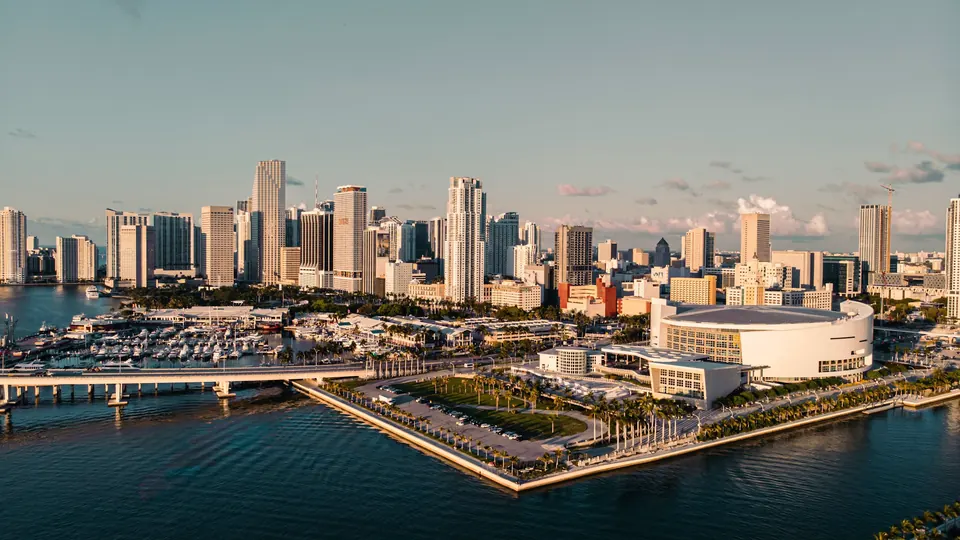
App budgets vary more than almost any other kind of software project, because the same idea can be built as a simple tool or a complex platform. It helps to know where the cost floors sit before you start talking to investors about how much you need to raise.
Our published floors are a reasonable reference. Simple apps start at $1,200 per platform. Logic heavy apps, with real business rules, integrations or multi step workflows, start at $15,000. Complex and secure apps, such as those handling payments, health data or sensitive financial information, start at $25,000. Every app project starts with 30 percent down, and projects over $60,000 begin with a conversation instead of an online checkout.
Beyond the build, plan for the costs founders forget: hosting and third party services, app store fees, ongoing maintenance as operating systems update, analytics, and the marketing website. Leave room in the budget for a second iteration after real users have tried version one, because they always find something you did not expect. From a desk in Fort Lauderdale or a coworking space in Wynwood, a realistic budget is the difference between iterating and running out of runway.

Frequently asked questions
How much does it cost to build an MVP for a Miami startup?
It depends on the complexity. As a reference, Neon Manatee's floors are $1,200 per platform for simple apps, $15,000 for logic heavy apps and $25,000 for complex and secure apps, all with 30 percent down. A tightly scoped MVP that tests one idea keeps you near the lower end of whichever tier fits.
Should a startup build a web app or a mobile app first?
Build where your users will actually use the product. Business software, dashboards and marketplaces usually work best as web apps first. Products that depend on the camera, location, push notifications or offline use usually need native apps. Many startups launch a responsive web app and add native apps once usage proves the need.
Can a professional team take over an app built with AI tools?
Yes. A review usually checks authentication, data access rules, how secrets are stored, payment handling and overall code structure. Sometimes the prototype can be hardened and kept. Sometimes it is faster to keep the design and rebuild the code. Either way, review before paying customers and sensitive data arrive.
Do Miami startups need a bilingual website?
Many do. Startups based in Florida often serve customers in Latin America and Spanish speaking users across the United States. If those users matter to your growth, build real Spanish pages with their own metadata rather than relying on automatic translation, and add Portuguese if Brazil is a target market.
What tech events happen in Miami?
eMerge Americas is the best known annual technology conference in Miami, with its 2027 event listed for March 2 to 4. Beyond that, local community groups, university programs and tech media such as Refresh Miami publish calendars of meetups, pitch nights and demo days throughout the year.