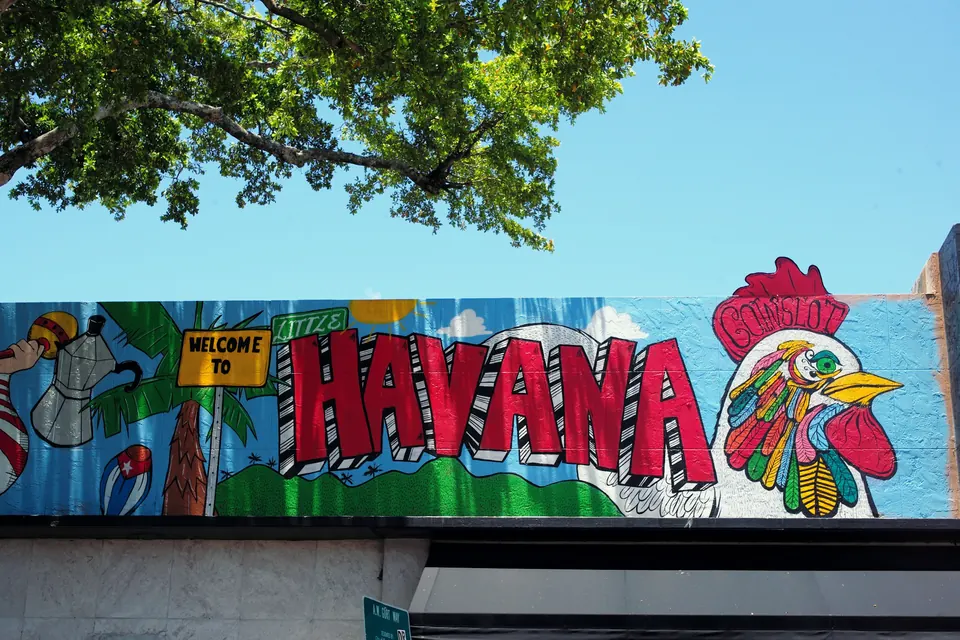
Marketing to Hispanics in Miami Means the Main Market
Most advice about marketing to Hispanics is written for companies treating Latino customers as a growth segment. Miami flips that assumption. According to U.S. Census Bureau QuickFacts, roughly seven in ten Miami-Dade residents identify as Hispanic or Latino, and about three in four people over age five speak a language other than English at home. In Hialeah, Doral, Little Havana, Westchester and Sweetwater, a business that markets only in English is effectively ignoring its neighborhood.
That changes the strategy. In much of the country, the question is whether a Spanish campaign is worth the investment. In South Florida the question is how to serve customers who move between Spanish and English all day, often in the same sentence, and who have plenty of businesses competing for them. A Brickell law firm, a Kendall dental office and a Doral logistics company all face the same reality: the customers who choose them are deciding in two languages.
The good news is that very few local competitors do this well. Most have a Spanish button that runs a machine translator, a Google profile written only in English and a voicemail greeting in one language. Doing the basics properly is still a real advantage here.
One Word, Many Communities
"Hispanic" describes a huge range of people. Miami has deep Cuban roots, especially around Little Havana, Hialeah and Westchester, and large Venezuelan, Colombian, Nicaraguan, Puerto Rican, Dominican, Honduran, Argentine and Peruvian communities spread across Doral, Kendall, Sweetwater, Miami Beach and Broward cities like Weston and Pembroke Pines. Each group brings its own vocabulary, humor, references and expectations about how a business should communicate.
You do not need a different campaign for every nationality, but you do need copy that avoids sounding foreign to all of them. Neutral, warm Spanish that a native Miami speaker would write usually works. Phrasing lifted from a Spain-based template, or slang that only one community uses, can make the rest feel like outsiders. A good test is to have two or three native speakers from different backgrounds read your key pages and tell you anything that sounds off.
Generations matter too. Many U.S. born Hispanic customers are more comfortable reading in English, while their parents prefer Spanish, and the decision about a dentist, a contractor or a lawyer is often made together. Marketing that works here makes it easy for the whole family to read the same information in the language each person likes best.

Language Choices That Build Trust
The first decision is not whether to translate, but where each language belongs. Your website should have full Spanish versions of the pages that sell: the homepage, every major service, pricing or packages if you publish them, the about page and the contact page. Blog content can be selective, with Spanish articles written for the questions Spanish speakers actually search, rather than a translated copy of every English post.
Tone carries as much weight as vocabulary. Most Miami businesses use "usted" on service pages because it reads as respectful, then relax into a friendlier register on social media. Decide once and keep it consistent across your site, emails and ads. Mixing the two on the same page looks like the work of several different translators, because usually it was.
Spanglish has a place, mostly in social content and local ads where it mirrors how people talk in Wynwood or Westchester. On service pages it can read as unprofessional, so use it on purpose rather than by accident. The goal everywhere is the same: a Spanish speaker should feel the page was written for them, not converted for them.

A Real Spanish Website, Not a Translation Widget
Automatic translation widgets are the most common shortcut and the most expensive mistake. They often produce phrasing that is technically understandable and clearly not written by a person, which undercuts trust exactly when a customer is deciding whether to call. They also tend to serve the Spanish version without separate, indexable URLs, so Google may never rank the Spanish pages at all.
A proper bilingual site gives each Spanish page its own address, its own title and meta description, and hreflang tags that tell search engines which version to show to which reader. Forms, error messages, confirmation emails and appointment reminders should switch language too. Nothing breaks the experience faster than filling out a Spanish form and receiving an English confirmation.
Spanish keyword research belongs in the plan from the start. People in Miami search for "plomero cerca de mí", "abogado de accidentes" or "dentista en Hialeah" using phrases that do not map neatly onto the English terms, and the volume behind each one is different. Researching both languages separately is how you find the searches your competitors are leaving open. Our Fast Lane builds can include a Spanish version from the first day.

Google Business Profile and Reviews in Two Languages
For local service businesses, the Google Business Profile often does more selling than the website. Many Hispanic customers in Miami-Dade and Broward find a plumber, a pharmacy or a restaurant through the map results before they ever visit a site. A profile with a clear description, accurate services, real photos and a note that you speak Spanish gives them a reason to choose you right there.
Reviews are where bilingual marketing becomes visible. Ask Spanish speaking customers to leave reviews in Spanish, and reply in the language the review was written in. A string of thoughtful Spanish replies tells every future reader that someone at your business will understand them when they call. It also gives Google more Spanish language signals about what you do and where.
Keep your name, address and phone number identical everywhere, and make sure your hours and service areas reflect reality. A Coral Gables clinic listing hours that are wrong, or a Hialeah contractor whose profile claims areas they no longer serve, loses trust fast in a community where word of mouth travels quickly.

Answer the Phone and the Chat in Spanish
Marketing that brings in Spanish speaking leads and then answers them only in English wastes the spend. The moment of contact, a phone call, a web chat or a text, is where most bilingual campaigns fall apart. A caller who hears an English only voicemail at 7 pm on a Thursday often just calls the next business on the list.
Speed and language together win here. Make sure someone, or something, can answer in Spanish during business hours and capture the lead after hours. An AI receptionist that handles English and Spanish calls, books appointments and sends your team a summary closes that gap without hiring a bilingual receptionist for every shift. A website chat assistant can do the same for people who would rather type.
Many families across Latin America and South Florida rely heavily on messaging apps such as WhatsApp. If your customers already message you that way, list it clearly on your site and profile and staff it properly. A channel you advertise but answer slowly does more harm than not offering it.

Showing Up in AI Answers in Spanish
More people now ask ChatGPT, Gemini or Google's AI Overviews for recommendations, and plenty of them ask in Spanish. A question like "¿cuál es el mejor contador en Doral que hable español?" gets answered from whatever the AI can find and trust. If your only Spanish content is a machine translated homepage, you give it very little to work with.
The fix overlaps with good SEO. Publish Spanish pages that state plainly what you do, who you serve and where, with your neighborhoods named naturally. Answer common questions in Spanish on your service pages. Keep your business details consistent across directories in both languages, and earn mentions in Spanish language media and community organizations where it makes sense for your business.
No one can guarantee that an AI assistant will recommend a particular business. What you can do is make your business easy to understand and easy to cite in both languages, which is exactly what helps you in classic Google results too. In a city where most competitors have barely started, that work compounds.

Mistakes That Cost Trust Fast
A few errors show up again and again. The first is stereotyped imagery: maracas, sombreros and generic fiesta graphics that have nothing to do with your actual customers. Use real photos of your team, your work and your Miami locations instead. The second is treating Spanish as an afterthought, with an English campaign launched first and a rushed translation weeks later. Plan both languages together so the offer, the timing and the landing pages line up.
The third is promising Spanish service you cannot deliver. If the ad is in Spanish but nobody on the phone speaks it, the customer feels misled. Be honest about which channels are bilingual. The fourth is measuring everything together. Track Spanish and English leads separately in your CRM so you can see what each language actually produces, rather than guessing.
None of this requires a huge budget. It requires taking the market seriously, which in Miami, Hialeah, Doral and across Broward is simply taking your own customers seriously. Businesses that do it well tend to see the difference in the quality of their leads, not just the number.

Frequently asked questions
What is the most important part of marketing to Hispanics in Miami?
Native Spanish at every point of contact. That means real Spanish pages on your website, a bilingual Google Business Profile, Spanish replies to Spanish reviews and someone or something that can answer calls and chats in Spanish. Campaigns that attract Spanish speakers and then serve them only in English waste most of their budget.
Should my Miami business use machine translation for its Spanish website?
It is better used as a rough draft than a finished product. Machine translated pages often read awkwardly, and translation widgets frequently skip the separate URLs and hreflang tags that let Google rank Spanish pages. Native copy written for Miami readers, on its own indexable pages, performs better and builds more trust.
Should I use usted or tu in my Spanish marketing?
Most Miami businesses use usted on service pages, quotes and formal emails because it reads as respectful to older and newer arrivals alike. Tu can work on social media and in casual ads, especially for younger audiences. Whichever you choose, keep it consistent within each channel so the copy sounds like one voice.
Do I need separate campaigns for Cuban, Venezuelan and Colombian customers?
Usually not. Neutral, natural Spanish written by native speakers who know Miami works across communities. What you should avoid is slang that only one group uses or phrasing from Spain templates. Have native speakers from a few backgrounds review your main pages before launch.
How do I measure whether Spanish marketing is working?
Track Spanish and English leads separately. Use distinct landing pages or URL tags for Spanish ads, record the language of each call or form in your CRM and watch Spanish search queries in Google Search Console. Comparing lead quality and close rates by language shows where to invest next.